Cattle & Other Ruminant Animals are the Best Source of Nutrition
Have you always heard that red meat was bad for you, especially for your heart? Did anyone every explain why they said that? Do you like steak, and hamburger meat but feel guilty eating it? If so, this blog should make you feel great about consuming these foods, along with lamb, bison, goat, and other meats from ruminant animals.
The digestive systems of these animals provide a great first line of defense against toxins, both natural and man-made, that no other animal or thing does. Plus, you’ll learn how they contain more absorbable nutrients than any other food you can get. I hope you find this informative and helpful.
Capitola California, Photo by Christy
The Unjustified Bad Rap of Red Meat
Beef Ribs and Egg Salad. Photo by Manuel Hernandez
Red Meat has gotten a bad rap to the detriment of many people’s health.
In the past, studies on the healthiness of red meat versus vegetables were extremely flawed and so came out with incorrect recommendations. The people who ate red meat in these studies included people who existed on high levels of fast and processed food. The vegetable based diet people tended to have people who were more careful of their food quality. This, of course, influenced the results; so for a long time red meat was warned against and associated with negative health factors such as heart disease.
However, a recent study by European Society for Clinical Metabolism used a highly regarded Mendelian randomization study and found that across all cardiovascular disease outcomes there was no causal relationship with red meat. In it they either replaced grain based carbohydrates with 8 ounces of red meat for 8 weeks or gave diabetics high animal protein or high plant protein diets for 6 weeks. Neither of these trials found an increase in oxidative stress when participants were eating diets high in red meat and animal protein. Red and processed meat intake and risk of cardiovascular disease: A two-sample Mendelian randomization study – Clinical Nutrition ESPEN
Cow on Farm outside San Jose. Photo by Christy
In addition, in the last decade, many have discovered that a carnivore or meat based diet has helped them greatly reduce or erase many of their health challenges and their health markers are better than ever.
What is a Ruminant and Why is it a Great Nutrient Source?
Elk in Yellowstone. Photo by Christy
Beef comes from cattle which are classified as ruminants. A ruminant is defined as an even-toed, hooved mammal that chews the cud regurgitated from its rumen. Other ruminant animals used for meat in various parts of the world include, Sheep, Goats , Water Buffalo, Bison, Deer, Elk, and Camel.
Ruminant stomachs have four compartments: the rumen, the reticulum, the omasum and the abomasum. Rumen microbes ferment feed and produce volatile fatty acids, which is the cow’s main energy source. Rumen microbes also produce healthy B vitamins, vitamin K and amino acids that are absorbed by the animal and passed into the meat.
Ruminants purify toxins through microbial digestion. Before food reaches the true stomach, the rumen’s massive, active microbiome of bacteria, protozoa, and fungi acts as a biological filter. These microbes break down, metabolize, or alter plant anti-nutrients and toxins in general into harmless compounds before the animal can absorb them.
The Abundance of Nutrients in Beef
Whitened Trunk in Grand Tetons. Photo by Christy
Beef has many necessary proteins and amino acids. It is a great source of iron, magnesium, choline, zinc, B3, B1, B6, B12, and Vitamin K. It’s also high in Omega 3 fatty acids compared to the less desirable Omega 6’s. Beef helps heal tissue and trauma due to its abundance of carnitine. It’s great for women going through the menstrual cycle because red meat has the most iron and B12 in their most bioavailable forms to replenish those lost through blood loss.
Quick energy may be obtained through both its carnitine and creatine. It also is the highest source of carnosine which neutralizes the acid in muscles, acts as an antioxidant, and helps in muscle recovery, and has kind of an anti-aging effect. Finally, beef has heart healthy Coenzyme Q 10, though mostly in its organ meats, but some is also found in general beef as well.
Grass fed and finished cattle have a little more anti-oxidants, vitamins, and minerals, as well as a slightly better ratio of omega 3 to omega 6 fatty acids, However, even the cheapest grain fed beef will still be more nutrient dense and free of toxins than most anything else.
The vitamins in beef are bioavailable, meaning that the human body can absorb and use them fairly easily. This is in contrast to a high percentage of the vitamins in plants that can’t be absorbed by the human body due to the anti-nutrients. That’s why it’s helpful to have cattle eat plants first and basically make their nutrients absorbable for humans.
Difficulties in Eating Beef
Fountain with a Girl. Photo by Christy on Iris farm outside San Jose
If you have difficulty eating red meat you almost surely have too little stomach acid which tends to decrease with age or even lack of use. This is not a good condition because it means you are generally not breaking down and absorbing enough of the nutrients in any of your food overall.
One way to increase stomach acid is to take around 3 to 5 Betaine Hydrochloride tablets before your meal for about a month or as needed. It will increase the acidity of your stomach, and you’ll start to digest beef and everything else better with less gas, indigestion, acid reflux. Other people drink a small amount of diluted apple cider vinegar before meals to achieve the same help.
Additionally, if you have trouble with digesting the fat found in some cuts of beef, you may have a bile flow problem that needs to be resolved. Luckily, it should not be too difficult. I referenced this problem and the stomach acid problem in my blog on How to Fix Acid Reflux Naturally. I also referred to T.C. Hale with Kick it Naturally as having good advice with things pertaining to digestion generally as well as fixing a bile problem as seen in this video.
One rare condition that should keep someone from eating too much beef is if you have an unhealthy buildup of iron in your blood. This can be due to a special genetic condition that makes it hard for a person to get rid of iron. Their body tends to accumulate it. Someone with this condition shouldn’t eat as much red meat. But that condition affects an extremely small category of people.
No one is born allergic to beef. However, in very recent years a GMO tick was developed which apparently makes its victim allergic to all meat. I really don’t know much about this condition other than that it’s a recent phenomenon.
Meat from Monogastric Animals
As opposed to a ruminant animal, any animal that has a single chamber stomach, doesn’t have the same fermentation system used to break down plants and that boosts the nutrition of its meat. So, its diet has a massive impact on the quality of the meat and overall nutrition produced. If it’s not pasture raised or wild caught (if talking about fish), it’s diet is generally unnatural and bad. Really healthy pasture raised chicken is generally more expensive than grass fed beef and harder to find in my experience.
Night Clouds on Northern California Coast. Photo by Christy
If chickens are not pasture raised, they are usually fed corn, soy, and grains highly sprayed with pesticides and herbicides. Since they don’t have 4 parts to their stomach to purify their food, much of the unhealthiness is passed on. This poor diet also reduces the amount of important nutrients like vitamins E and A and omega 3s (often referred to as the healthy fats.) In comparison, chicken has up to 10 times more inflammatory omega 6 fats than beef. While beef has a higher zinc, iron, selenium, potassium, and copper content than chicken. In addition, chicken is very lean and so is less satiating.
Pretty Fish. Photo by Kyaw Tun on Unsplash
Chicken Wings. Photo by Monika Grabkowska on Unsplash.com
Similarly to chicken, pigs, (from which we get pork), are monogastric. Pork is naturally high in nutrients like B1 and selenium, zinc, phosphorus, iron, and potassium. However, their nutrition depends greatly on what they are fed. When they eat their natural diet of roots, tubers, insects, and small animals their meat has a deep red color as opposed to the pork seen in most supermarkets which is very light like chicken.
Wild salmon are also monogastric and have a natural diet of krill and shrimp which contains a lot of an antioxidant called Astaxanthin which gives them their pinky orange color. They have a great omega 3 to 6 ratio. Wild salmon are a high-quality protein with key nutrients like vitamin D, selenium, and B vitamins. These support the brain, heart, and overall performance. They don’t have everything you need like beef or lamb do, but they are a very good source of nutrients.
However, farmed salmon are fed low-quality grains and so are a lot less nutrient dense. If pinky orange, then that means they’ve been fed synthetic Astaxanthin derived from crude oil permitted in animal feed. In addition, people have started to genetically modify salmon.
Fishing boat. Photo by Christy
When examining all other fish generally, wild is much healthier. All are very lean so fattier fish like sardines, mackerel, and herring are probably best. If a fish is very large, like tuna, it can build up high levels of mercury so you shouldn’t eat too much. As a result, smaller fish are better for avoiding mercury.
Other Ruminent Animals
Flock of sheep in southern Colorado.
As mentioned earlier, cattle aren’t the only ruminant animal. A sheep’s multichambered digestive system also filters out less desirable compounds and is extremely similar to beef nutritionally. It has a bit more B2 and B3, and is naturally fatty so doesn’t need to be grain fed to put on weight.
Goat is also a ruminant animal. Its only disadvantage is that it isn’t as fatty. Seventy percent of world eats goat meat regularly.
Wild game such as deer, bison, buffalo, and elk are all very lean ruminants. They’re not fed unnatural feed so they contain few toxins, and have great nutrient density, and a good fatty acid profile.
Eggs are nature’s multivitamin. A single egg contains nearly everything needed to grow an entire living animal. They are very nutrient dense with high-quality protein, choline, selenium, B12, riboflavin, and other antioxidants. However, the diet of the bird has some effect on their nutrition profile. Pasture raised and organic is definitely best.
Carbs and the Anti-Nutrients in Plants
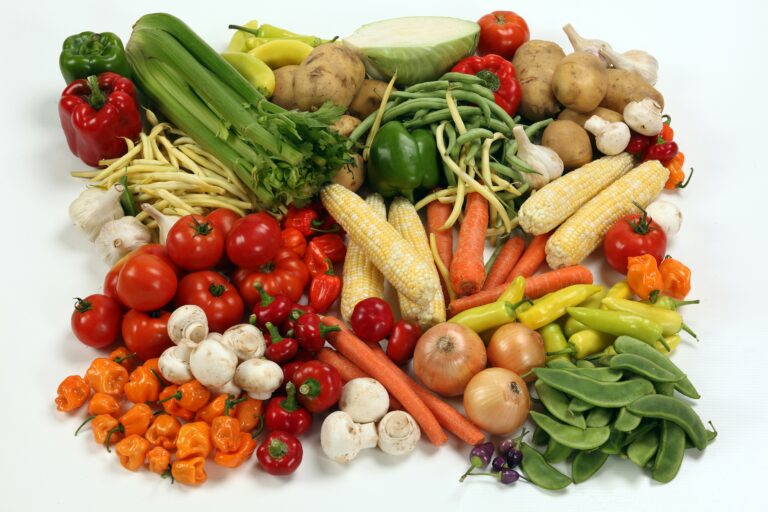
Carbohydrates are not needed as food at all for the body. Your body makes what it needs on its own. As often boasted, vegetables have good vitamins and minerals. However, what is rarely mentioned is that they also have anti-nutrients that keep us from being able to absorb much of those vitamins and minerals. For some people these anti-nutrients (the defense system of plants,) even cause real harm to the body.
Vegetables. Photo by Randy Fath on Unsplash
Path in Glacier. Photo by Christy
Examples of antinutrients in plants include phytates found in whole grains, seeds, and legumes which bind to minerals like iron and zinc, reducing their absorption. Also, oxalates found in leafy greens like spinach, kale, rhubarb, and tea can bind to calcium, reducing its absorption and potentially contributing to kidney stones. Tannins found in coffee, tea, and legumes can impair iron absorption. Saponins present in legumes and grains can block nutrient absorption.
There are many, many other antinutrients in plants that I won’t mention here. Each has its own effect. Some people are more sensitive than others to some of the negative effects.
Most fruits and vegetables are harvested before being ripened. The earlier this happens the more anti-nutrients they contain. In addition, they are often gassed to keep them looking fresh longer.
Pesticides and Herbicides
In addition to plants having anti-nutrients, they are also generally sprayed with pesticides and herbicides or in a field near where these are sprayed. Harmful herbicides and pesticides such as glyphosate seem ubiquitous, even in organic produce due to overspray.
Plant food may also be genetically modified to resist the sprays put on it or to look better for longer after being harvested. In addition, there is the relatively new suspect, Apeel, an invisible, odorless coating now added to many fruits and vegetables to extend shelf life. This generally happens without notification so you must research which stores sell produce with this additive.
Farmland. Photo by Dan Meyers on Unsplash
Meat, the Safer, Healthier Option
Clouds. Photo by Christy
Animals are much less likely to be genetically modified. If you read labels you can assure yourself the meat is what it says/looks like it is. Also with ruminant animals like cattle, their extensive digestive system breaks down the unhealthy things they eat or things that are sprayed on what they eat while still absorbing the vitamins and minerals that can then be passed on to us when we eat their meat.
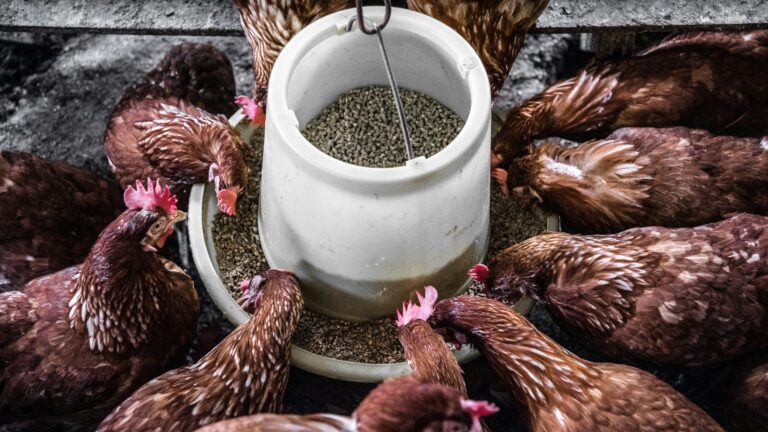
Animals with only a single stomach like chickens vary much more significantly in their healthiness for consumption based on what they are fed. Are they pasture raised, eating the diet they would be eating in the wild, or are they fed herbicide and pesticide laden corn, soy, and grains? A chicken’s natural diet is filled with worms and bugs as well as plants. However, even a badly fed chicken is better for you than the bad food it is fed.
Chickens Feeding. Photo by Arisa Chattasa on Unsplash
Yellow Flower with View of Northern Califoria Coast. Photo by Christy
No Condemnation, Just Information
In conclusion, it is clear that as far as an absorbable nutrient profile, the meat of ruminant animals is best for human consumption. I am not here to say eating vegetables is bad. I have friends and people that I know that do fine with a vegetable-based diet. I would just caution that if you eat no meat or eggs, research carefully the needed vitamins, minerals, and amino acids you are missing that come only or primarily from those sources so you can supplement and be healthy.
Also, if you suffer from a health problem with an unidentified root cause, I suggest trying a carnivore diet for a month or more to see how this may help you. Afterwards, you may add back foods one by one to help you identify a likely source of difficulty your body has had with a food intolerance you had no idea about before.
I know that many see chicken and fish as the healthiest meat because of bad studies and unfair propaganda vilifying red meat. I am not against these foods either, however it is important to recognize the limitations of their nutrition based on the diet they are fed.
Overall, I wanted to write this blog to correct misconceptions about red meat and beef in particular. I want people to have good information when they make choices about their diet that does affect their health and well-being. If you have a comment or have learned something that may be helpful, I would love to see your comments. Also, it would truly help if you shared on social media or subscribed.